



The message coming from the leaders that visited Davos and spoke on crypto and blockchain tech was clear. Crypto is increasingly viewed not as something to fear, but as an area to approach with cautious optimism. Influential voices are largely in agreement that blockchain is being integrated into traditional financial infrastructure. The conversation is no longer about “if” but “when” and “how.”
The message coming from the leaders that visited Davos and spoke on crypto and blockchain tech was clear. Crypto is increasingly viewed not as something to fear, but as an area to approach with cautious optimism. Influential voices are largely in agreement that blockchain is being integrated into traditional financial infrastructure. The conversation is no longer about “if” but “when” and “how.”
National and private bank leaders leveraged their statements with caution. However, significant developments in tokenization are already underway, legal infrastructure is either in place or advancing rapidly, and stablecoins have become a central topic in discussions ranging from cross-border payments to financial inclusion. Here’s what we learned from the World Economic Forum this year.
Stablecoins Becoming Mainstream, but With Risks
The direction that stablecoin discussion is taking is a marked one. Bank of France Governor François Villeroy de Galhau commented in a WEF session on tokenization that last year “nobody spoke about stablecoins” but “now it’s very fashionable”. But that fashionable move into the spotlight isn’t a temporary one, as stablecoins are now “finding their way into the mainstream” says Bill Winters of Standard Chartered in the same session.
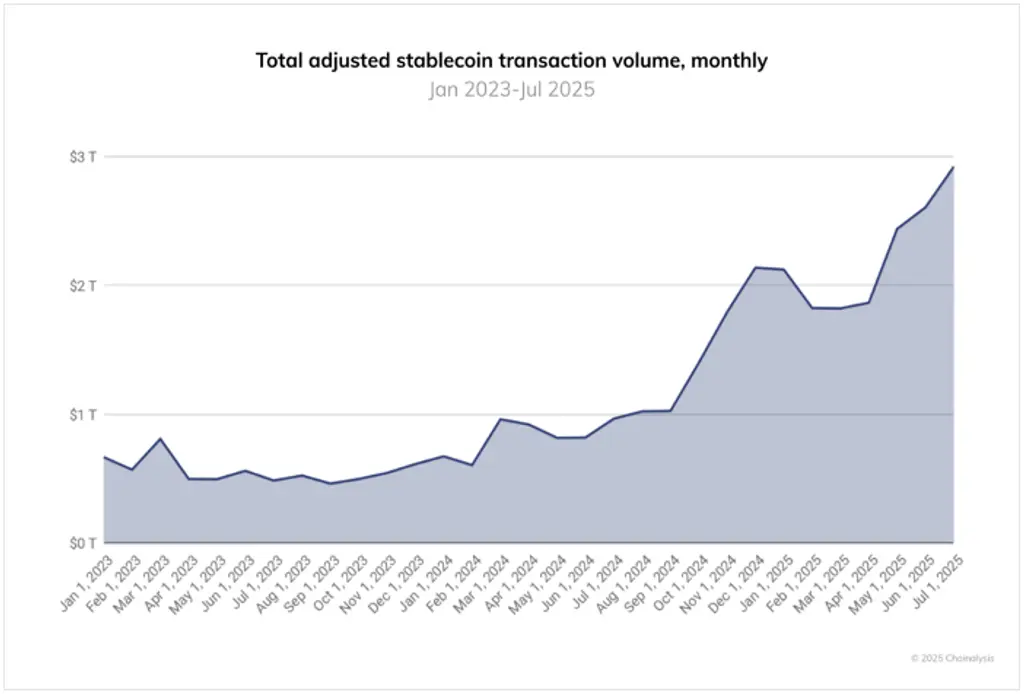
The market reflects this growing popularity with total stablecoin, representing $37 trillion. The market reflects this growing popularity, with stablecoin usage reportedly use up 72% from last year and transaction volumes reaching approximately $37 trillion.
Dan Katz of the IMF pointed out in another session at the WEF that stablecoins are not risk free. Of note were “potential risks” such as “[bank] runs on particular stable coins” and “payment fragmentation that could silo liquidity”.
That last bit on payment fragmentation roughly means there is a risk that value could stop moving between different stablecoins that represent the same currency. That could make it hard for someone who wants to spend USDC at a business that wants USDT. Payments wouldn’t be impossible, but the added friction could make business harder to complete in some cases.
Katz says the biggest risk for banks is what he calls “disintermediating the banking system”. In other words, people might stop using banks entirely if banks refuse or fail to handle stablecoins for customers.
Tokenization Putting Billions On-Chain
One discussion at the WEF focused on major asset managers such as BlackRock and Apollo exploring broader fund tokenization initiatives to enhance market accessibility and demand.
Commenting on the demand from the market, Valérie Urbain of Euroclear said that “sometimes traditional finance has not evolved sufficiently fast”, therefore tokenization is an alternative to “increase the attractiveness of European capital markets.” Europe, she says, has a lot of savers but not many investors. That is something she thinks tokenization could change.
Speaking in Davos to CNBC-TV18 in Davos , Binance Co-CEO Richard Teng stated that the company intends to support traditional financial institutions seeking to tokenize assets. He also noted ongoing collaboration with governments globally on tokenization and digital payment initiatives, as demand for such services continues to outgrow the abilities of TradFi groups to supply them.
Teng further discussed this topic during the WEF in Davos saying, “We recently launched the first regulated TradFi Perpetual Contracts settled in stablecoin, starting with Gold and Silver. TradFi Perpetual Contracts is our new product category that brings traditional financial assets into the crypto trading world through USDT-settled perpetual contracts.”
Regulation Moves Forward, but Banks Want More
New regulations, along with areas where ambiguities remain, were also a major topic of discussion at this year’s WEF. A common theme was companies and banks asking for more regulation and better, clearer frameworks. CEO of ING Steven van Rijswij said of legislation as it applies to blockchain technologies that regulatory “pressure from the outside world helps us because it forces us to get better.”
Using Europe's MiCA as an example, van Rijswij added that it is “enabling blockchain technology to become more part of banking” and that’s a good thing because it “provides an umbrella under which people can act.”
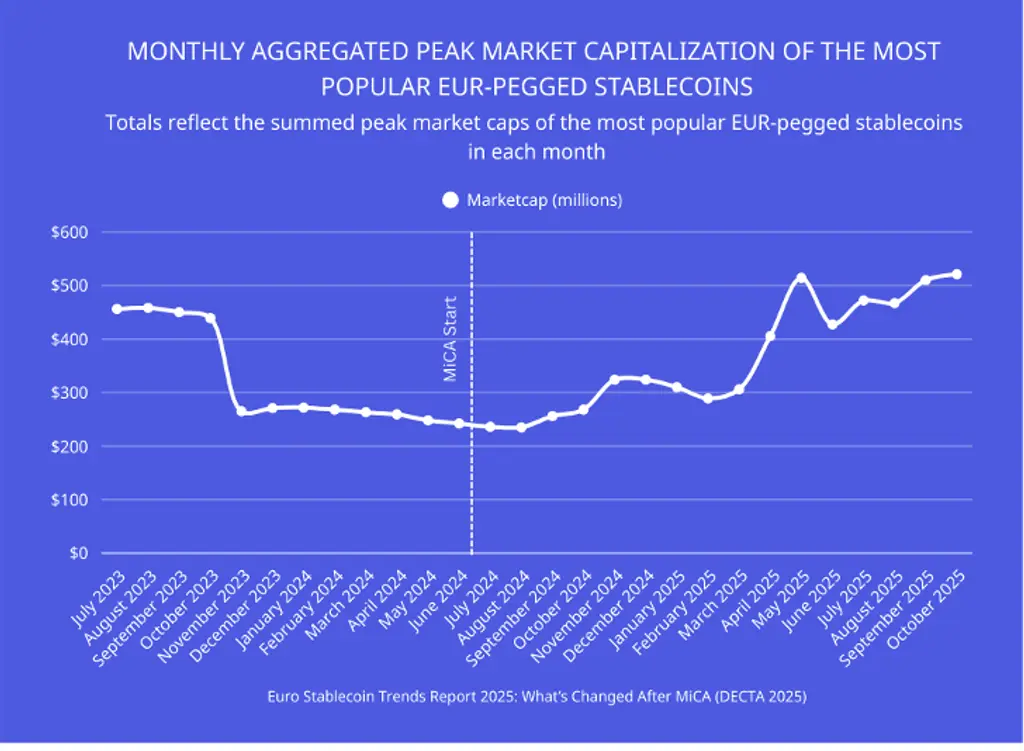
Regarding the GENIUS act of the USA, Dan Katz of the IMF said that while it was a “big step forward”, regulators “still have a range of rulemakings” that are still needed. He then added that a key issue needed is clarification on how the various frameworks internationally will work together. In his view, the world needs “effective interoperability” in order to really move stablecoin use cases forward.
Crypto Hype Vs Facts
The global financial system has not fully transitioned toward crypto-based infrastructure, but significant steps are now being taken that may accelerate adoption faster than previously anticipated. Big businesses want even more clarity and politicians have promised that it’s coming - eventually. Substantial capital is already moving toward blockchain-based systems. The key question remains whether regulatory coordination can keep pace with this transformation.
Disclaimer: This article is for informational and editorial purposes only and does not constitute financial, investment, legal, or regulatory advice. Any references to companies, financial products, digital assets, or regulatory frameworks are provided for contextual analysis and should not be interpreted as endorsements or recommendations. Readers should conduct their own independent research and consult with qualified professional advisers before making any financial or investment decisions.


