Top Stories

Glencore aims to cut industrial assets’ carbon emissions by one-fourth by 2030

Published by Uma Rajagopal

Posted on March 20, 2024

1 min read

· Last updated: January 30, 2026

Add as preferred source on Google
Glencore's commitment to reducing carbon emissions by 25% by 2030 - Global Banking & Finance Review
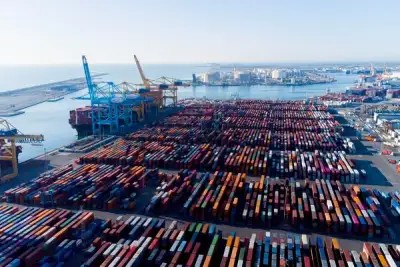
Image depicting Glencore's initiative to cut industrial carbon emissions by 25% by 2030, reflecting its commitment to climate action in the finance sector.
Global Banking & Finance Awards 2026 — Call for Entries

Glencore aims to cut industrial assets’ carbon emissions by one-fourth by 2030 (Reuters) – Glencore said Wednesday it aims to lower carbon dioxide equivalent emissions for its industrial assets by 25% by the end of 2030. The global miner and trader retained its emissions reduction targets of 15% and 50% by the end of 2026 […]

Glencore aims to cut industrial assets’ carbon emissions by one-fourth by 2030

(Reuters) – Glencore said Wednesday it aims to lower carbon dioxide equivalent emissions for its industrial assets by 25% by the end of 2030.

The global miner and trader retained its emissions reduction targets of 15% and 50% by the end of 2026 and 2035, respectively, in its 2024-2026 Climate Action Transition Plan.

(Reporting by Yadarisa Shabong in Bengaluru; Editing by Mrigank Dhaniwala)

Frequently Asked Questions

What is carbon emissions?
Carbon emissions refer to the release of carbon, particularly carbon dioxide (CO2), into the atmosphere, primarily from burning fossil fuels. They contribute to climate change and global warming.
What is a climate action plan?
A climate action plan is a strategic framework that outlines specific actions and policies to reduce greenhouse gas emissions and mitigate climate change impacts.
What is a sustainability target?
A sustainability target is a specific goal set by organizations to improve their environmental performance, such as reducing carbon emissions or increasing energy efficiency.
What is carbon dioxide equivalent?
Carbon dioxide equivalent (CO2e) is a metric used to compare the emissions of different greenhouse gases based on their global warming potential, expressed in terms of CO2.

Tags

Related Articles

More from Top Stories

Explore more articles in the Top Stories category